
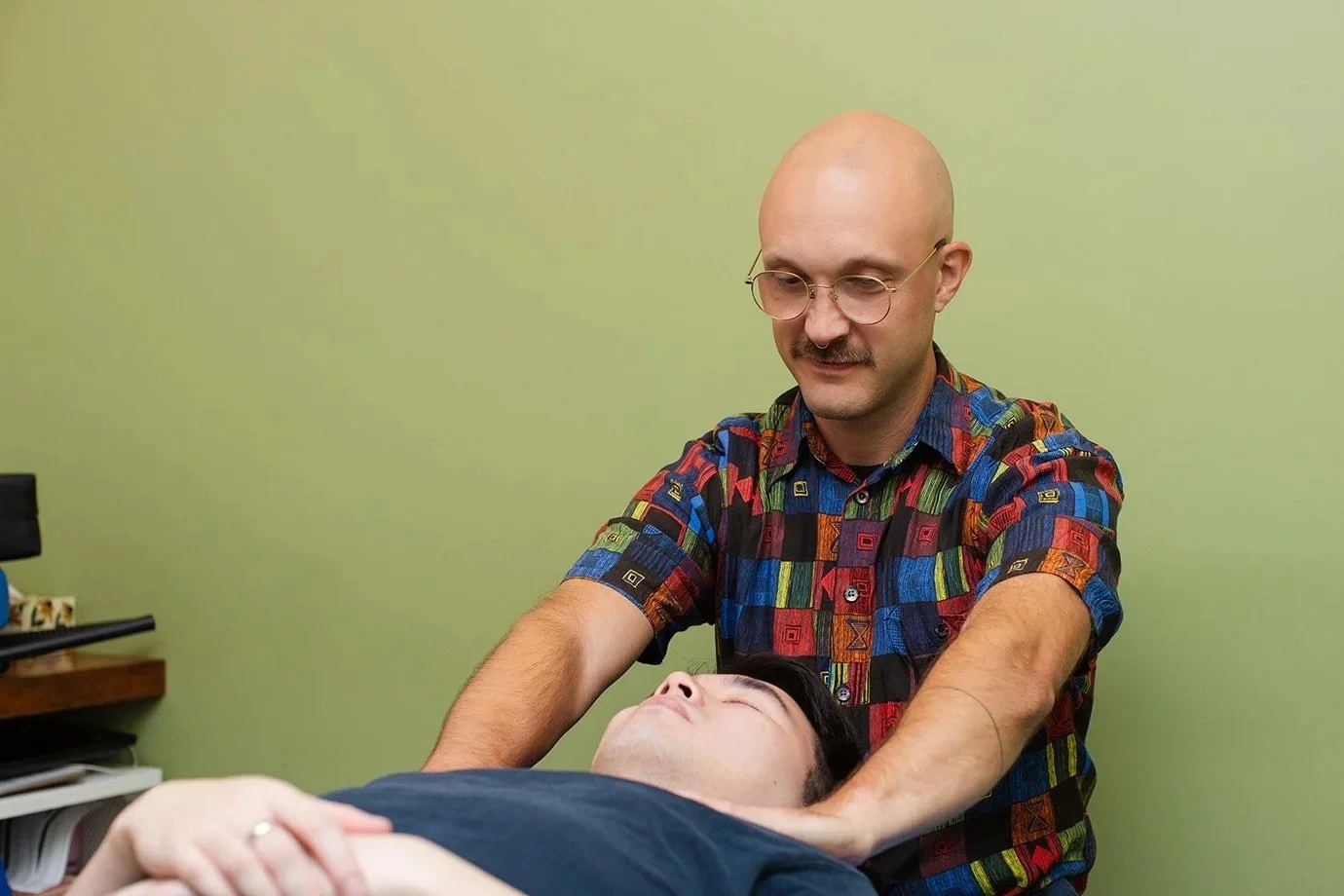
Osteopathy
Osteopathy is a holistic therapy that looks at the person as a whole, from symptoms to lifestyle to stress levels, and so on. A core principle of Osteopathy is that the body has an innate ability to heal itself, and the osteopath is there to assist!
What is Osteopathy?
Osteopathy is a gentle, hands-on manual therapy that addresses the body as a dynamic unit of function. All parts are interrelated and treatment proceeds with the understanding that structure and function are reciprocal. Osteopathy believes in the body's inherent self-healing, self-regulating, and self-protective mechanisms, and seeks to encourage those by liberation of blood, nerve, and lymphatic pathways. Osteopathic treatment seeks to treat the cause, and not the effects, that the body presents with. The task of the Osteopathic Manual Practitioner is to manipulate the mechanical structure of the body to facilitate physiological change. Assessment is done by using palpation (feeling with the hands) and taking tissues (fascial, muscular, ligamentous, bony, visceral) through their range of capable motions, asymmetries and restrictions are noted and an osteopathic adjustment is then made with the collective findings in mind.
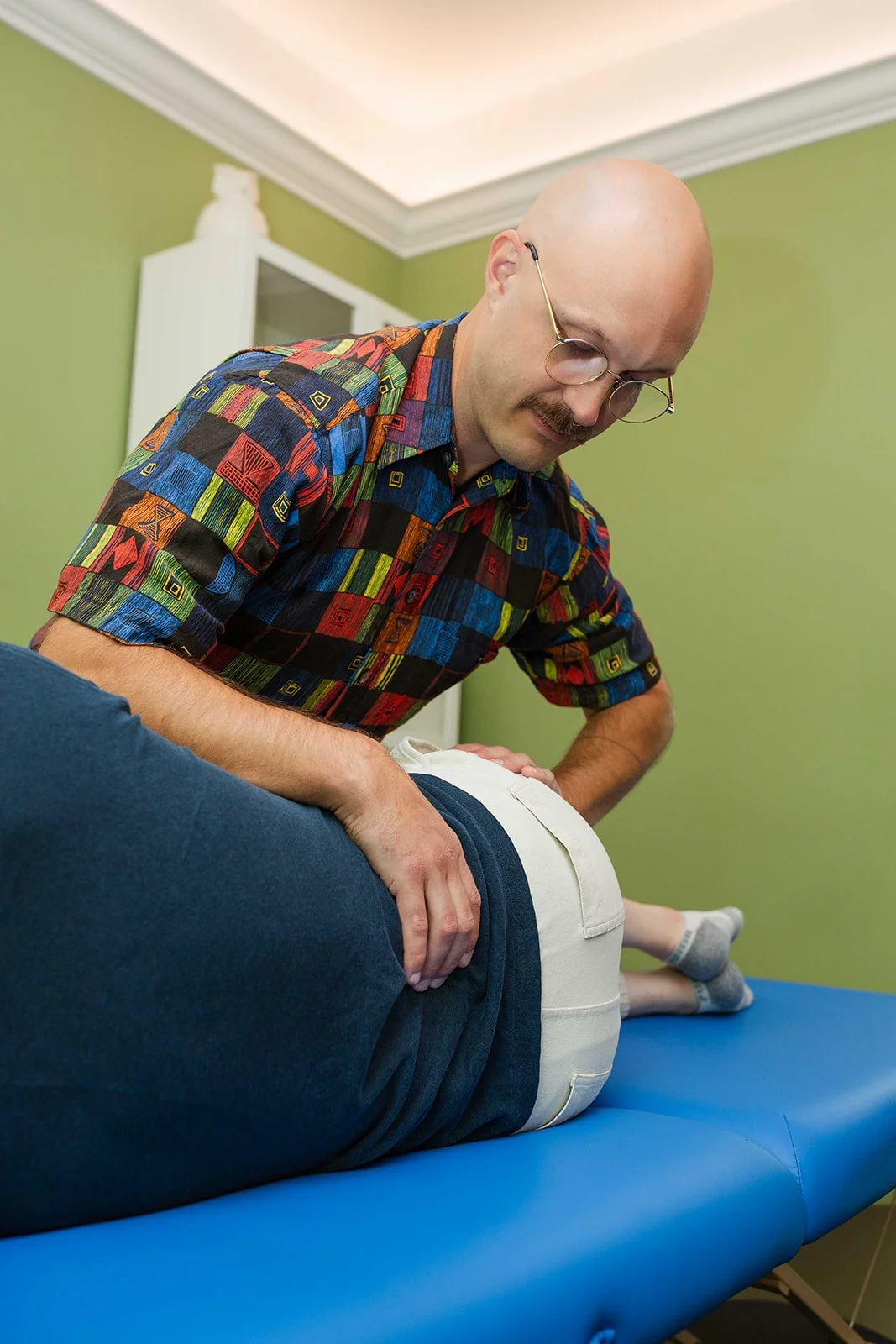
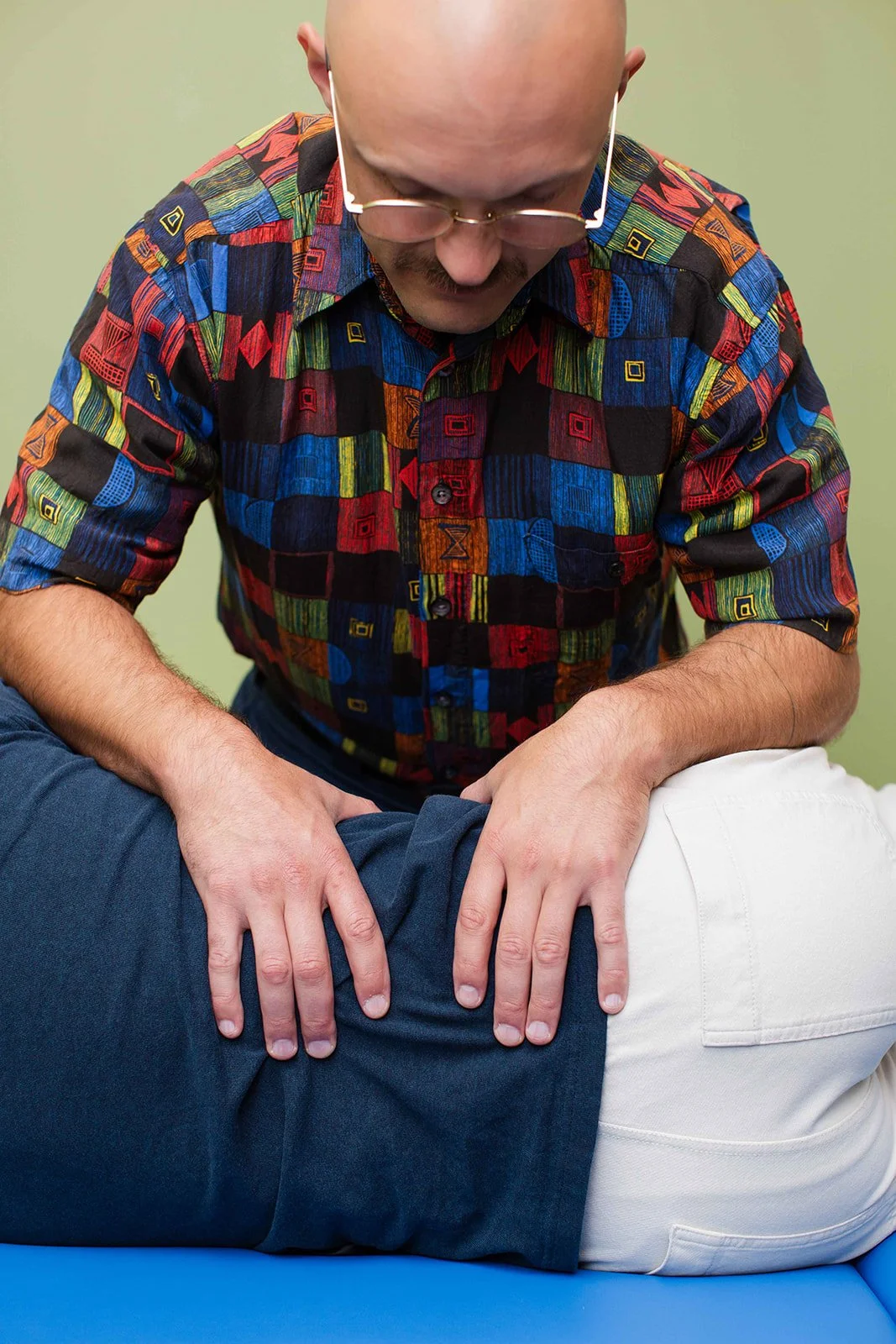
Osteopathy is based on four main principles:
1. The body is a dynamic unit of function.
2. The body has an innate self-healing and self-regulating mechanism.
3. Structure and Function are reciprocal.
4. Treatment is based on these principles.
FAQ
Commonly Asked Osteopathy Questions
-
Yes, when performed by a qualified practitioner. Osteopathy is a non-invasive, gentle hands-on modality. Patient health history is discussed together and we are trained to catch “red flags” that may put the patient’s safety in question. Osteopathy is safe for all bodies, including infants, children, the elderly, pregnant people (except the 1st trimester), athletes, office workers, and those with acute or chronic ailments. If a patient requires care outside of our scope, they will be referred to the appropriate practitioner or medical care.
-
Treatment is performed with clothes on. It’s best to wear something loose and comfortable that your body may be moved in. Please avoid dresses, skirts, and tight pants. Belts and jewellery are to be removed (piercings are ok, dangly earrings may be removed though), pockets emptied, and hair put in a high to mid bun if possible.
-
Many extended health benefits cover osteopathy fully or partially, but it is best to check with your benefits plan if you are covered or not. Also, please note, not all insurance companies allow us to bill them directly on your behalf for osteopathy.
-
Treatment begins with a review of patient symptoms and history, and is followed by a thorough hands-on assessment of the patient. Assessment tests the various tissues of the body, searching for asymmetries and restriction that may correlate to the patient's ailments. Treatment is applied to the patient's body, and it may feel very subtle or immediately noticeable. Treatment generally takes about 20 minutes, but may take less time, as it is applied by dosage and how the patient's body is responding. Treatment is personalized to the person on the table, and will not look the same twice. The amount of treatments necessary depends on individual factors, for example: whether the issue is chronic or acute, how long the ailment has existed, and patient vitality, etc.
-
Osteopathic treatment is undoing patterns of compensation in the body. This means that there is an adjustment period in the days following where your body is seeking a new equilibrium, this may be subtle or overt. This can be paired with soreness, physiological changes (headache for example), muscular discomfort, old injuries showing themselves again, or possibly a sense of ease; it is dependent on the individual.
-
Osteopathy treats the mechanics and anatomy of the body to affect the physiology. It liberates the nerve, artery, vein and lymphatic pathways that may be causing the undesireable conditions. Osteopathic treatment does not pursue symptoms or effects, however, but the mechanical cause at the root of the issue.